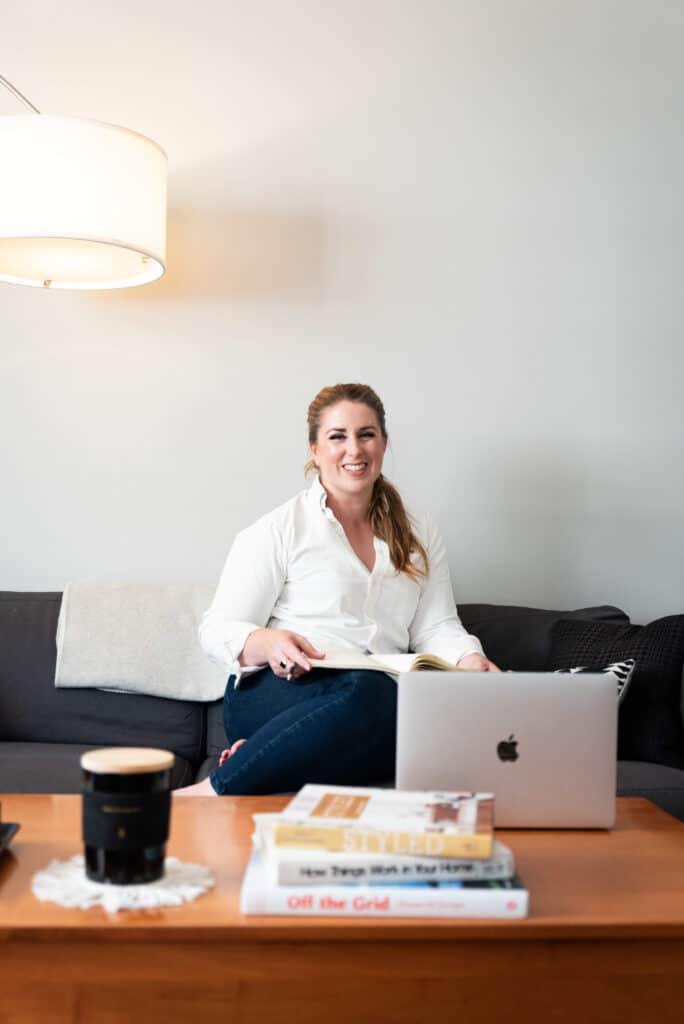

There is a difference between a three-decker built in 1905 and one built in 1925.
If you look at the more utilitarian stacks on streets like Rockvale Circle, where I bought my first multi, you see the efficiency of a post-WWI housing boom. Those were built for volume—simple, boxy footprints designed to house as many people as possible during a period of intense urban density. But on Woodlawn Street, we see the “Ornate Era” of the Jamaica Plain three-decker. These weren’t just apartments; they were aspirational family homes.
The Transit Catalyst

In 1905, when the frame of 12 Woodlawn was being raised, Forest Hills was the frontier of modern transit. The Boston & Providence Railroad had already elevated its tracks onto that massive stone embankment in 1897, and the buzz in the neighborhood was all about the “El.”
The elevated Orange Line wouldn’t officially reach the neighborhood until 1909, but developers were already betting big on the area. They knew that “minutes to the station” was the ultimate selling point—even 115 years ago. This optimism turned JP from a collection of rural estates into one of Boston’s first “streetcar suburbs.”
Public Front, Private Back
Unlike the later “worker housing” models, the 1905 three-decker was designed with a specific social hierarchy in mind. These units featured a “public” front and a “private” back:
- The Entry & Foyer: A true sense of arrival that you don’t get in later, more cramped designs where you often walk directly into a kitchen or living space.
- The Formal Dining Room: This was the heartbeat of the middle-class home. At 12 Woodlawn, this room still features the original built-in hutch—a centerpiece designed to display a family’s best china and signal a level of sophistication and permanence.
- The Circular Flow: The layout allows for a natural movement of both people and air between the sun-drenched living room (anchored by a classic bay window) and the dining area, across to the flexible third bedroom that could serve also as a study. It creates a sense of scale that feels much larger than the actual square footage.
The 12 Woodlawn Case Study
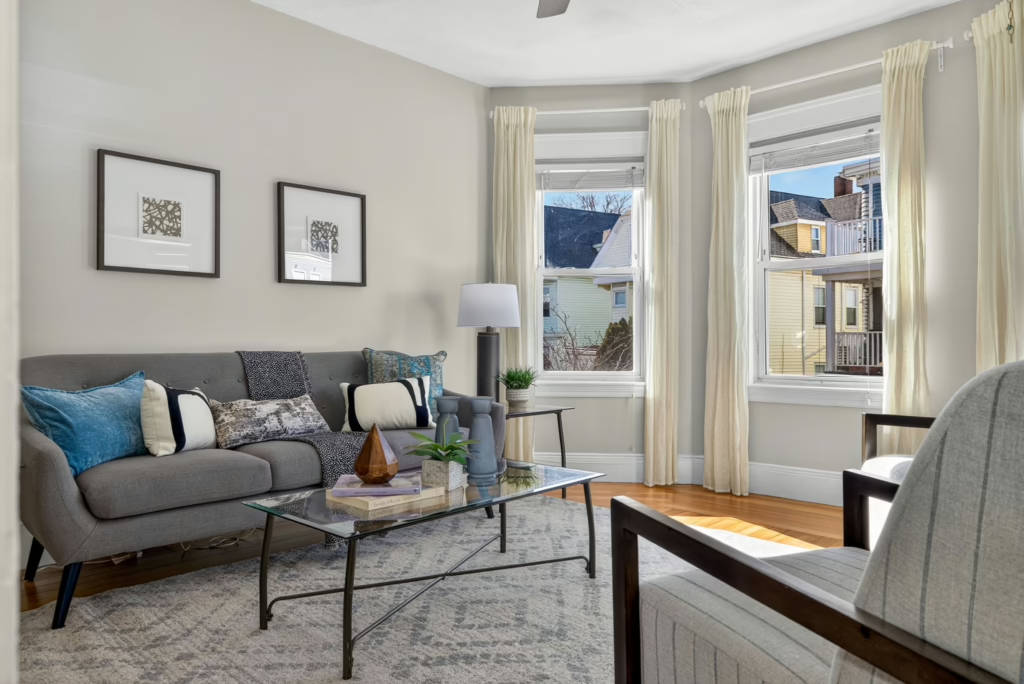
Unit 2 is a terrific example of this era’s soul. While it has been updated for 2026 living—including a rare half-bath with in-unit laundry—the original bones are holding strong.
The oversized kitchen features an induction range and butcher block island, and offers a massive footprint. It was built to be a flexible, functional space, and it still is. This condo sits in what I call “opportunity class”—it’s move-in ready and freshly painted, but it offers a chance to make it your own over time, while still honoring its 1905 roots.
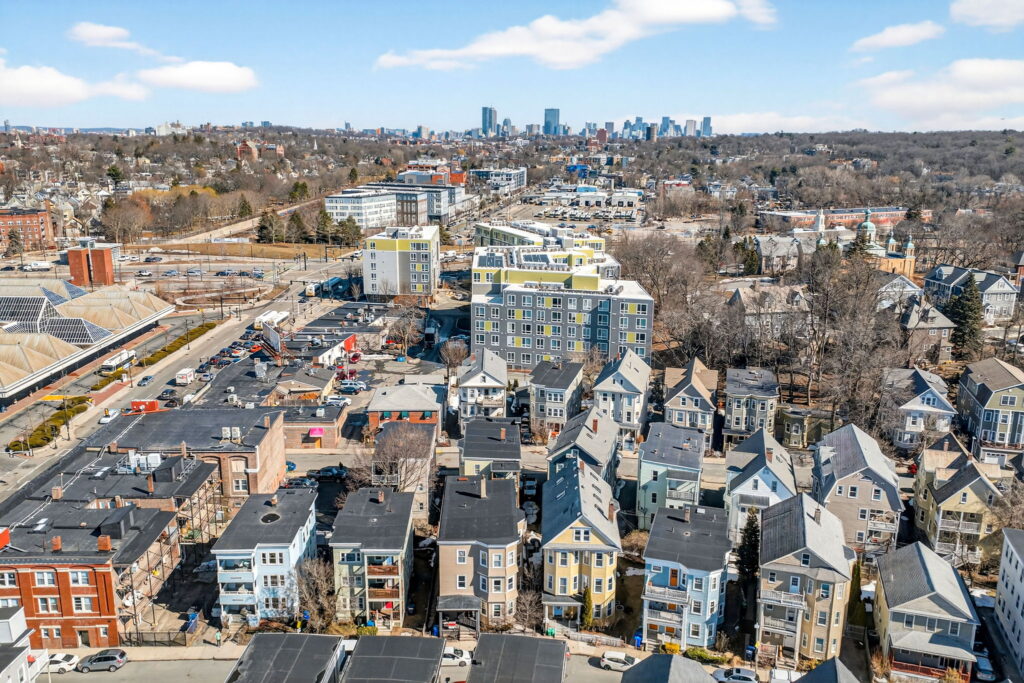
Located on a quiet dead-end street just minutes from the Arnold Arboretum and the Southwest Corridor (not to mention Forest Hills station), it’s a reminder that the best neighborhood features haven’t changed in a century.
We’re still looking for the same things: good light, solid craftsmanship, and a quick trip to the train.
Visit 12 Woodlawn Street #2 on Saturday, March 14th or Sunday, March 15th from 11:30am-1:00pm.

Let's Talk Strategy
Experience matters when stakes are high. With $125M+ in sales and 160+ transactions, I offer the strategic guidance and contractor roots you need to navigate the Greater Boston market. From Peters Hill to Medfield, leverage my data-driven approach to house hacking and next-move transitions. Let's bring you home!