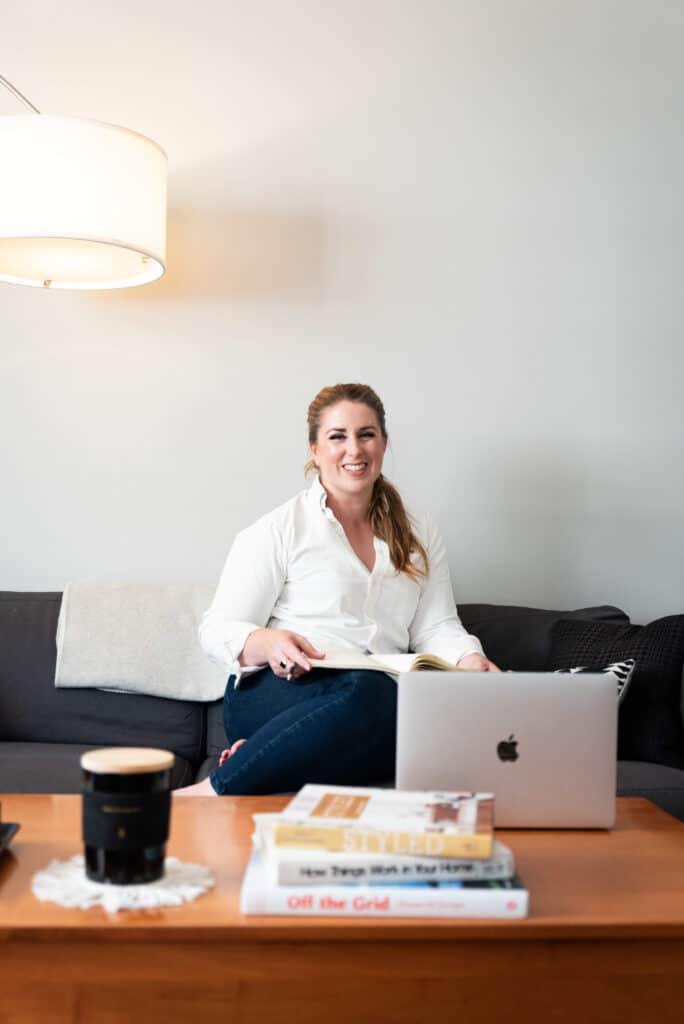

For over two decades, my life was measured in bike racks, T-stops, and walkable shoes. By the time I was living on Peters Hill in Roslindale, I had the ultimate “city-suburb” setup: a yard, easy Arboretum access, a community of neighbors, and a 20-minute Needham-line commute. Then I quit my W2 job downtown, and doubled down on my real estate career. And THEN I had kids.
In 2026, for many buyers, the recalibration is real. Last year, as a Realtor and a mother, I realized that the math of staying city-adjacent was changing. When my husband Jack and I decided to move to Medfield, it wasn’t just a change of zip code—it was a complete overhaul of our daily logistics.
The Bottom Line:
Is moving from Boston to a “True Suburb” like Medfield worth it? The transition offers a significant increase in “Lot-to-Square-Foot” value and privacy, but introduces logistical friction. In 2026, the most successful moves are made by buyers who introspect and know their needs. Prioritize Home Office Quality if you’re sometimes remote, and Village Access over T-proximity to keep a close neighborhood feel. As Massachusetts’ 2025 ADU laws increase long-term property flexibility, buyers can find opportunity further afield.
1. The Commute Math: Minutes vs. Energy
When I was first in Roslindale, the commute was a passive habit; even once my daily commute shifted to driving (or walking) for showings, we popped out quickly, and often. Moving to Medfield turned every outing into an intentional act.
- The City-Suburb Reality: You’re paying a premium for proximity. Your commute might be short, but your living is often done in high-density pockets.
- The True Suburb Reality: You’re paying for autonomy. In Medfield, my commute is longer, but my home environment is significantly more expansive.
At first we missed walking the kids to Green T for the afternoon (and ideally, a stroller nap or two). Once we settled into the suburbs, we realized that using the coffee shop as our living room was a cope to work around our limited space; the larger yard, slower street, and similar access to trails and green space gives us plenty of outdoor breathing room, and more room inside helps in February, too.
The 2026 “Hybrid” Calculation: If you are in the office 5 days a week, the move to a True Suburb™️ might feel like a grind. But if you’ve settled into a 2-3 day hybrid rhythm, that longer drive or train ride will feel less burdensome, and is the price you’ll pay for an acre of land and a top-tier school system.
2. The “Milk Run” & The Village Factor
One thing I didn’t fully appreciate before the move from Peters Hill was the loss of the spontaneous errand. In Roslindale, a block of cheddar is a seven-minute walk. In Medfield, it’s a seven-minute drive. The travel time is the same, honestly, but the level of orchestration is very different: as a household that spends a lot of hours in the car, our toddlers are expert car sleepers, and that’s not always what you want in a seven-minute run for a dinner ingredient.
The “Walkability” Audit:
- High Walkability (Roslindale/West Roxbury): Great for young professionals who still crave “third places” (coffee shops, breweries, co-working spaces). In fall of 2024, I had clients who sold their small condo on South Street and traded up to a single family across the Square: their new space has plenty of room for their family, but still has access to the “third places” they know and love, like Green T and the Substation.
- Village Centers (Medfield/Walpole/Needham): These towns offer a Main Street feel that mimics the city but requires a car to get to, unless you buy in certain limited neighborhoods. Last year, I had clients who sold their Roslindale condo near Fallon Field, and agreed to consider Medfield (in spite of no commuter rail station) because the house they ultimately won was just outside of the center of town, and walkable to the playground, swim pond, library, restaurants, and groceries. This felt like the right compromise for their needs.
- In 2026, search is seeing a spike in queries for “suburbs with walkable downtowns”—this is the sweet spot for buyers who aren’t ready to feel fully rural.
3. The 2026 Strategy: Making the Most of the Land
As the daughter of a carpenter, I didn’t just look at the Medfield house; I looked at the site. For our business and life needs, a play-able yard was a top priority, but so was a space for Jack’s workshop (a large basement fit the bill), and the ability to add additional buildings (a shed, for example). Following the 2025 Massachusetts ADU (Accessory Dwelling Unit) laws, your suburban lot might now be more than just a yard—it’s a potential income stream.
In the city, adding a unit is a zoning nightmare. In the True Suburbs, you may have the “as of right” ability to build a detached office, workshop, or even a rental unit. This is how you can “house hack” the suburbs to offset the higher price of entry.
The Verdict: Was it worth it?
Leaving Boston proper after 20 years was existential, but the trade-off in space for my toddlers and the comparative quiet of Medfield has been the right move for this stage of life. We were driving outbound every weekend for buyer clients making this same move; we decided we wouldn’t mind driving inbound half the time, either.
My Advice for 2026 Buyers: Don’t move because you’re fleeing the city; move because you are building a specific lifestyle. If you’re debating between staying inside city limits or heading toward the 495-belt, let’s sit down and run through the “Commute & Lifestyle Audit” together. I’ve lived both, and I can tell you exactly where the friction points are.

Let's Talk Strategy
Experience matters when stakes are high. With $125M+ in sales and 160+ transactions, I offer the strategic guidance and contractor roots you need to navigate the Greater Boston market. From Peters Hill to Medfield, leverage my data-driven approach to house hacking and next-move transitions. Let's bring you home!